The Beginning

Our origin story.

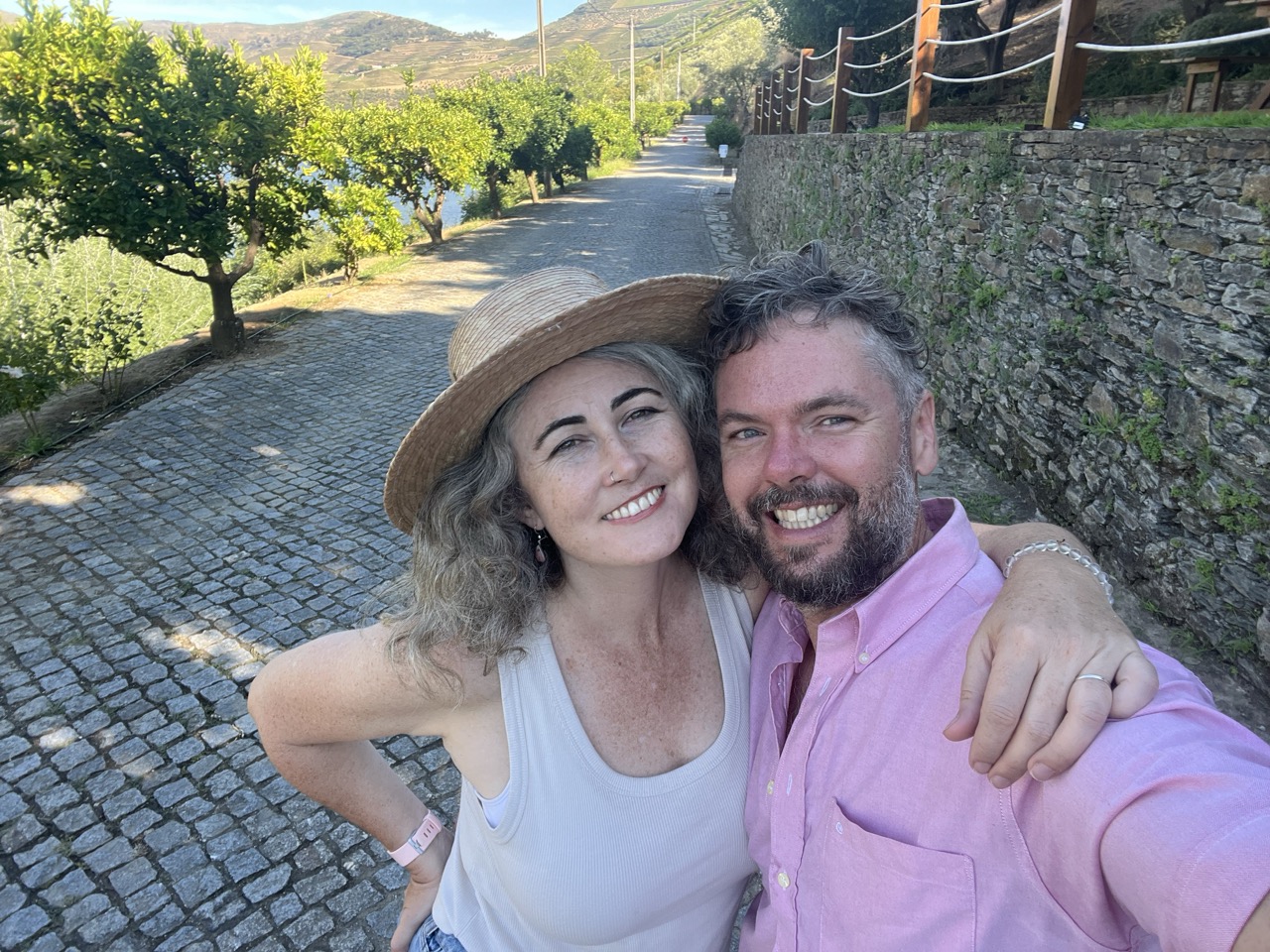
Aubrie had spent her career in the high-pressure world of big-budget films and advertising. Robin worked as a local community journalist, focused on sharing real stories from his hometown. When they traveled together, they found themselves drawn to the same kinds of people in every place they visited. People in local communities, all over the world, solving chronic social and environmental problems in innovative ways. Changemakers doing the hard, necessary work that rarely gets documented.

What if we could connect aspiring documentary filmmakers, journalists, and photographers with those people? What if we could go to where the stories that matter are being lived, and make them together?

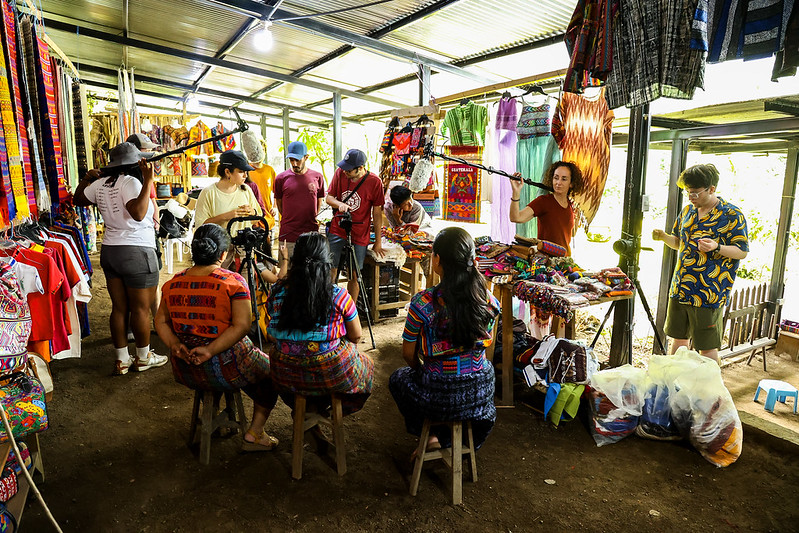
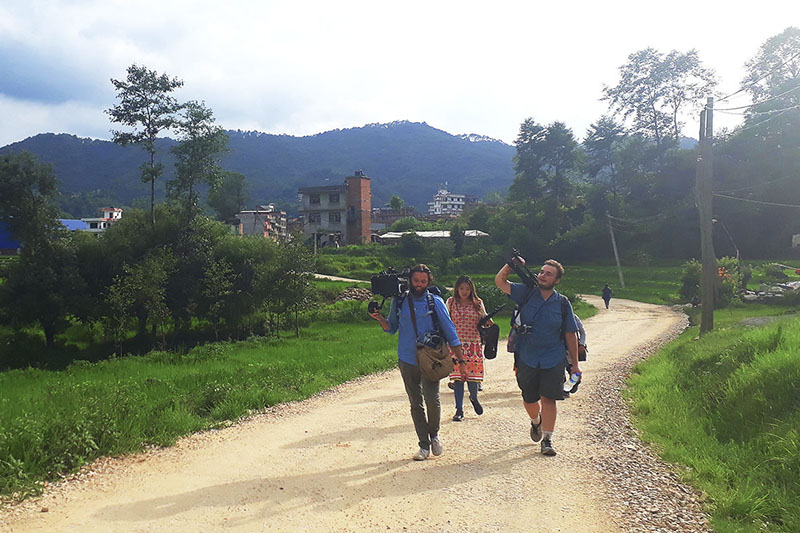
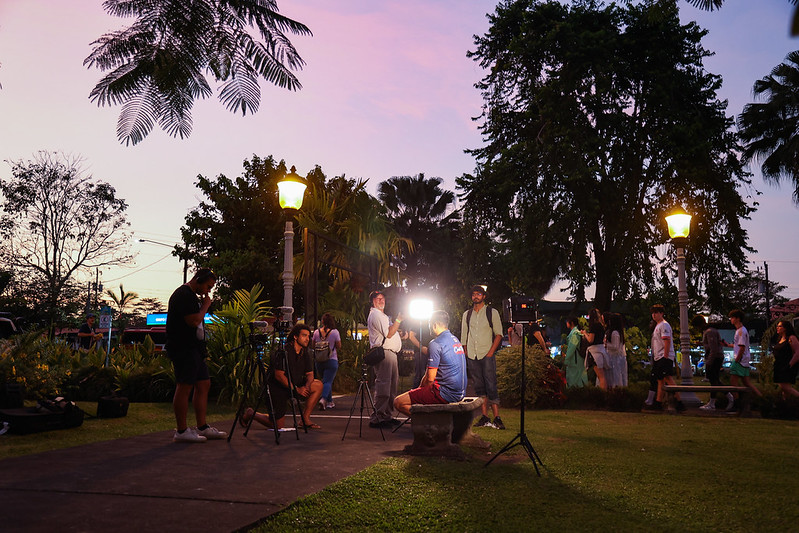
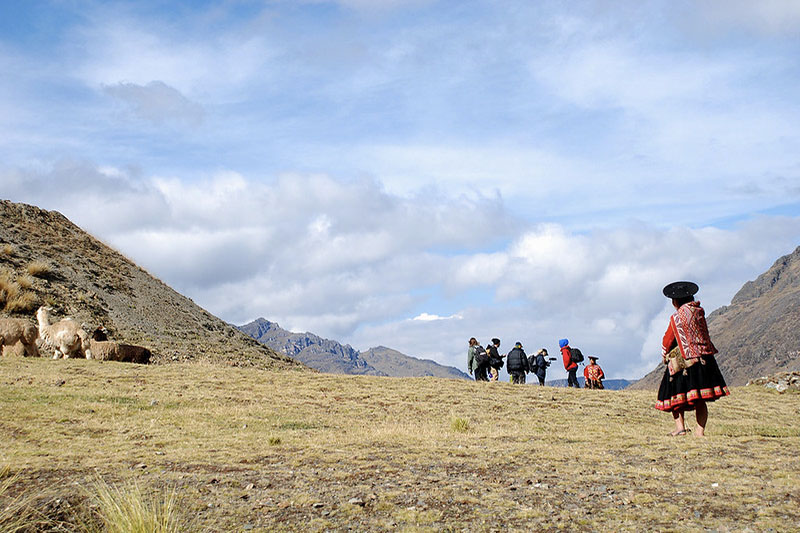
In 2010, they launched Actuality Media, now Actuality Abroad, and built the Documentary Outreach. A four-week travel course where filmmakers, journalists, and photographers go to a destination, work alongside a locally-led organisation, and produce a short documentary entirely on location, in direct collaboration with the people whose stories they are telling.

Over fifteen years, they have led crews across 20+ countries and produced over 200 films. What Actuality Abroad is really built around is what happens in the process of making them. It is the relationships that form between crew members and the communities they work in, the slow work of earning trust, and the shift in perspective that comes from spending a month trying to understand someone else's world well enough to tell it truthfully. That kind of connection across cultures is what this work is for.
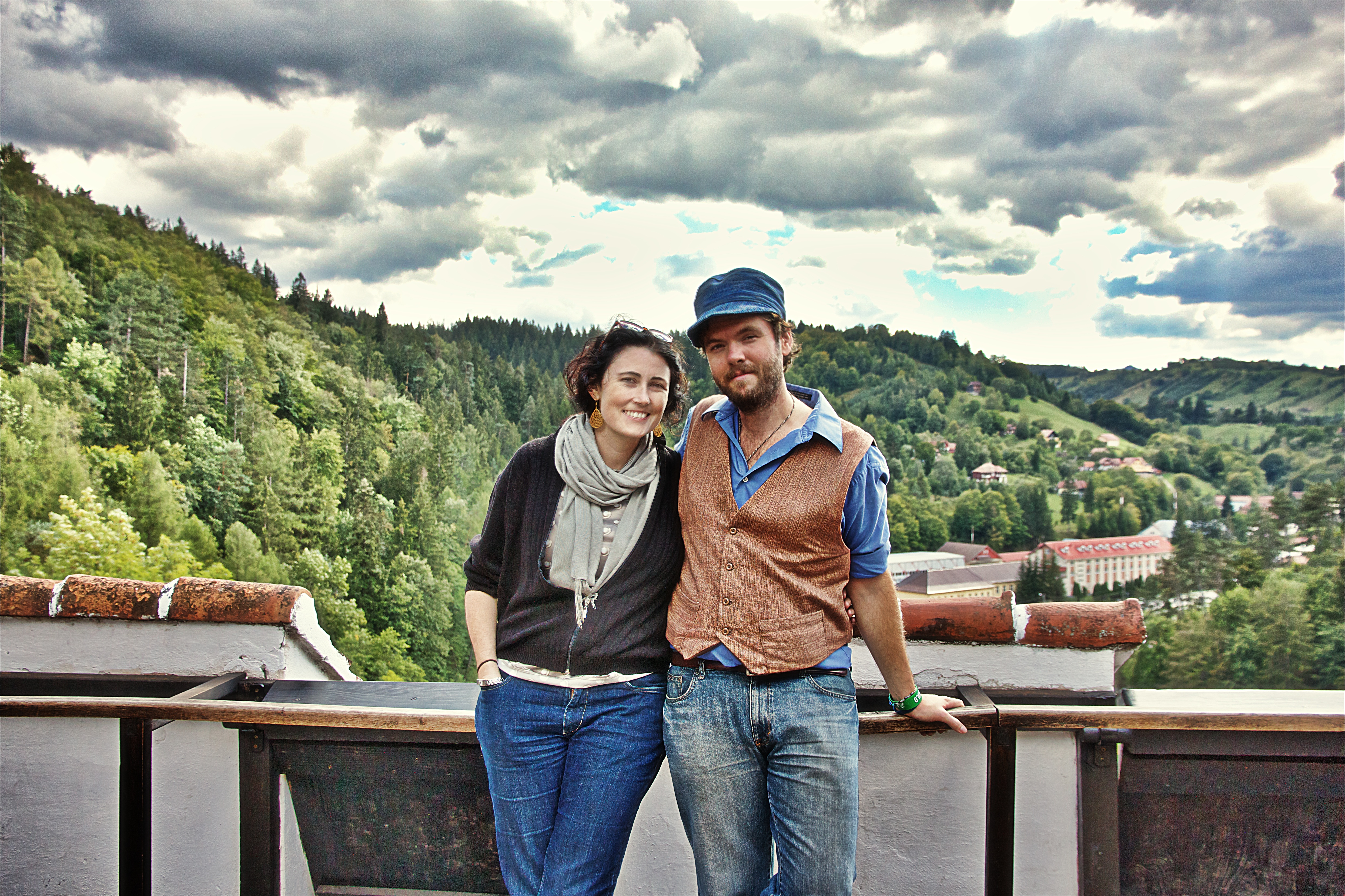
Aubrie and Robin Canfield

Aubrie & Robin Canfield, Cofounders, Actuality Abroad

Our Approach

Ethical storytelling is collaborative storytelling.

Telling stories outside of your own community and across cultures can be complicated. It is important that we recognise our power — and responsibility — as storytellers.

Our ethical documentary best practices guide the development, production and distribution of every storytelling project. We build these principles into each Documentary Outreach to ensure our crews are working in an ethical and equitable manner.

On each Documentary Outreach, we work with locally-led changemakers — small, grassroots nonprofit organisations or social enterprises. This means the leaders and decision makers are people who are genuinely from the community where the work is being done.

We consider our changemaker collaborators, and anyone else who may appear in our films, co-creators of the stories we produce. We seek their input, consent and agreement at each stage of the documentary process.

Locally-led partnerships only

We only partner with organisations where the leaders and decision makers are genuinely from the community where the work is being done. No money is exchanged. Partnerships are built on mutual respect.

Co-creators, not subjects

Our collaborators are not filmed — they co-create. Their input shapes the story at every stage of development, production and distribution.

Informed consent at every stage

Consent is not a one-time box to check. We seek agreement at each stage of the process, and respect the right to withdraw at any point.

Community screening before public release

Every film screens publicly in the community where it was made before it appears anywhere else. The people in the film see it first.

Distribution planned with collaborators

Before anyone leaves, each crew creates a distribution plan that their collaborators sign off on — with free and informed consent. Festivals, social cuts, community screenings. Nothing goes out without agreement.

Rights & Ownership

Every film is Creative Commons.

All films produced through Actuality Abroad are licensed under Creative Commons. This means every stakeholder — the crew, the changemaker collaborators, and the broader community — can freely screen and benefit from the final work.

Actuality Abroad retains official copyright to facilitate distribution, uphold ethical storytelling standards, and maintain long-term access for all involved. But the films belong to everyone who made them.

This is not a policy formality. It is a commitment to the people who trusted us with their stories.

CC BY

Creative Commons Attribution. Free to share, screen and build on — with credit to the crew and collaborators who made it.

From the Field

Latest from the blog.

All posts →